The Cashless Fantasy Meets the Gen Z Wallet: Rethinking a Card-Only Checkout
Photo: McPhail, CC0, via Wikimedia Commons
For years, the accepted script in American fintech went something like this: cards replace cash, wallets replace cards, and the phone replaces the wallet. It was a tidy story. It was also, judging by what's happening at actual checkouts, wrong in one important respect — the generation supposedly leading the charge toward a fully digital future is quietly refusing to abandon the alternatives.
The Data Keeps Embarrassing the Narrative
Federal Reserve research and retail industry surveys alike show cash holding remarkably steady as a payment method among consumers under 30. Cash usage for small-ticket purchases — coffee, transit, tips, flea markets — remains robust. Meanwhile, buy-now-pay-later services have become a default financing option for younger shoppers on everything from sneakers to concert tickets, and peer-to-peer rails like Venmo, Cash App, and Zelle function as de facto currency within friend groups.
The pattern isn't nostalgia. It's control. Cash is private, final, and immune to overdraft mechanics. BNPL offers budgeting without revolving debt. P2P apps move money instantly and free. Each rail solves a problem that cards — with their fees, interest, and data trails — demonstrably do not.
What Card-Only Infrastructure Gets Wrong
A merchant that built its checkout exclusively around card acceptance made a defensible bet in 2019. In 2025, that bet looks increasingly narrow. Every customer who wants to pay cash and can't, every shopper who abandons a $180 cart because no installment option exists, every peer group that splits a bill through an app because your POS can't handle it — each is a small, unrecorded revenue leak.
There is a security dimension, too. Card-only stacks concentrate all transaction data in a single rail, creating a single point of failure for both breaches and outages. When the card network goes down, a multi-rail merchant keeps selling; a card-only merchant puts up a handwritten sign.
What a Flexible Checkout Looks Like
A resilient 2025 payment stack doesn't mean accepting everything — it means accepting deliberately:
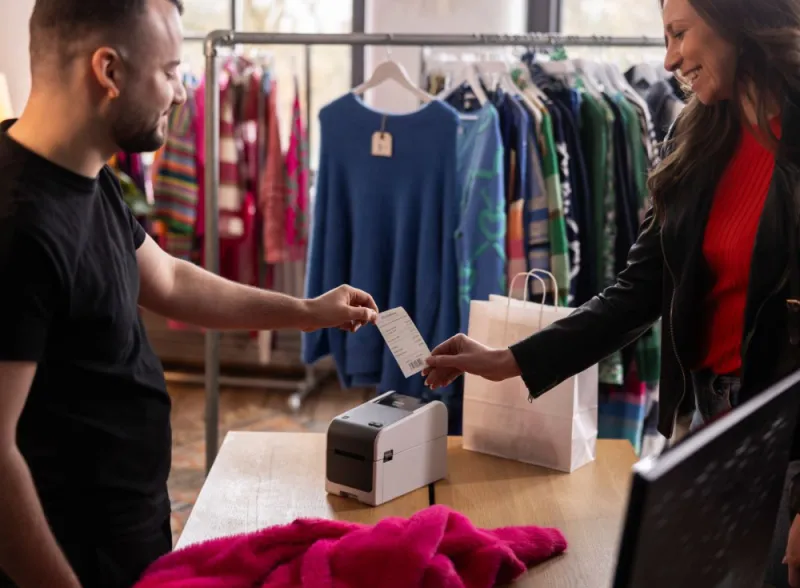
- Cash and debit alongside credit, priced and reconciled through a single point of sale rather than a second register
- BNPL at checkout for tickets above a sensible threshold, where installment psychology actually lifts conversion
- Digital wallet coverage — Apple Pay, Google Pay, PayPal — which now accounts for a substantial share of online volume
- P2P-aware policies for service businesses, where Zelle or Venmo deposits are common and need clear bookkeeping treatment
The Opinion Part
The industry's cashless enthusiasm was always partly marketing — processors have little incentive to promote a payment method they can't monetize. Merchants should be skeptical of anyone selling the inevitability of a single rail. The customers walking through the door in 2025 are not choosing one payment identity; they're switching between three or four depending on the purchase, the price, and the mood.
The winners won't be the businesses that predicted the future most confidently. They'll be the ones whose checkout can flex when the customer does.